
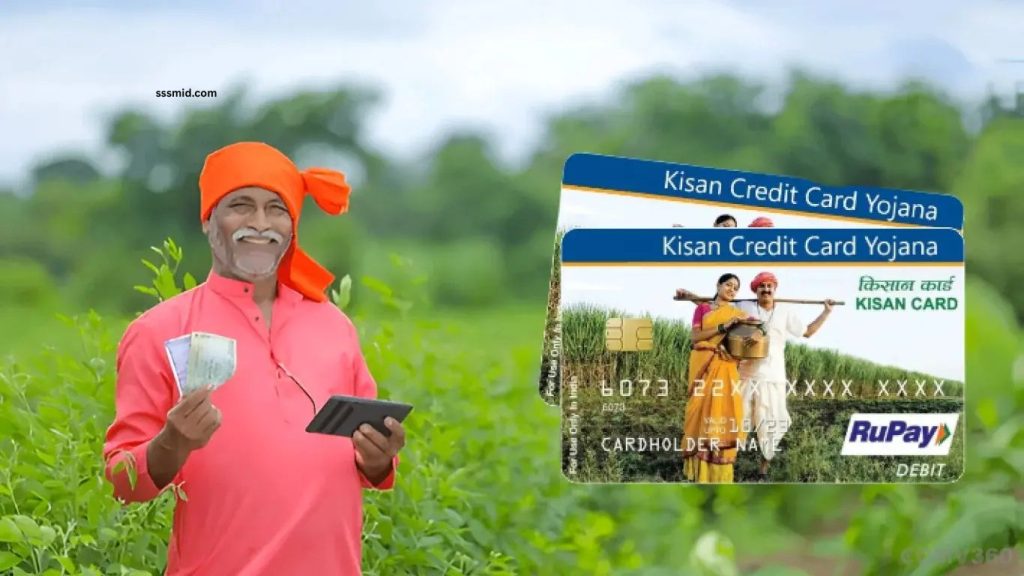
The Kisan Credit Card (KCC) scheme provides farmers with convenient access to affordable short-term credit for agricultural activities. The facility helps farmers manage expenses related to seeds, fertilizers, pesticides, irrigation, livestock, and other farming requirements.
Understanding the Kisan Credit Card application process can make loan access easier and faster. Farmers can apply through eligible banks, regional rural banks, cooperative banks, and other participating financial institutions by meeting the required eligibility criteria and submitting valid documents.
Read More: PM Awas Yojana Online Application Guide
What Is a Kisan Credit Card?
Kisan Credit Card is a government-supported credit facility designed for farmers and individuals involved in eligible agricultural activities. The card provides access to working capital according to the farmer’s agricultural needs and sanctioned credit limit.
The KCC facility can support crop cultivation, post-harvest expenses, agricultural maintenance, and certain allied activities. Credit limits generally depend on factors such as landholding, crop pattern, cultivation costs, repayment history, and applicable banking guidelines.
Who Can Apply for a Kisan Credit Card?
Eligible applicants generally include farmers involved in crop cultivation, tenant farmers, sharecroppers, and certain groups engaged in allied agricultural activities. Eligibility requirements can vary between banks and specific KCC facilities.
Applicants should have a valid agricultural activity and meet the lending institution’s requirements. Banks may assess land records, cultivation details, income-related information, existing credit obligations, and repayment capacity before approving the application.
Kisan Credit Card Application Process
Farmers can apply for a Kisan Credit Card through an eligible bank branch or, where available, through the bank’s online application facility.
Select a Participating Bank
Choose a bank offering Kisan Credit Card services. Commercial banks, regional rural banks, cooperative banks, and other eligible financial institutions may provide KCC facilities.
Compare the applicable interest rate, processing requirements, repayment terms, credit limit, and documentation requirements before submitting an application.
Obtain the Application Form
Visit the selected bank branch and request the Kisan Credit Card application form. Some banks also provide online application facilities through their official websites.
Enter personal, agricultural, landholding, crop, and banking details accurately. Incorrect information can delay application processing.
Submit Required Documents
Submit the completed application form along with the documents requested by the bank. Commonly required documents may include identity proof, address proof, land ownership or cultivation documents, passport-size photographs, and bank account details. Additional documents may be requested depending on the applicant, credit requirement, agricultural activity, and bank policies.
Verification by the Bank
After receiving the application, the bank verifies the submitted information. Officials may check land records, cultivation details, existing loans, credit history, and other relevant information. The bank determines the applicant’s eligibility and suitable credit limit according to applicable lending norms.
Credit Limit Approval
After successful verification, the bank approves the KCC facility and determines the sanctioned credit limit. The limit may be based on the estimated cost of cultivation, acreage, crop type, allied activities, and other relevant factors.
Kisan Credit Card Issuance
After approval, the bank issues the Kisan Credit Card or provides the applicable account and credit facility. The farmer can use the sanctioned credit according to the terms and conditions established by the lending institution.
Documents Required for Kisan Credit Card
The exact documentation can vary by bank and applicant category. Common documents may include identity proof, address proof, passport-size photographs, agricultural land records, proof of cultivation, and bank account information.
Applicants involved in tenant farming, sharecropping, livestock, fisheries, or other allied activities may need to provide additional evidence related to their agricultural activity.
Kisan Credit Card Application Online
Several participating banks provide digital application options for KCC facilities. Farmers can visit the official website of their preferred bank and check whether an online KCC application facility is available.
The online process generally involves entering applicant information, agricultural details, contact information, and requested credit details. After submission, the bank may contact the applicant for document verification or additional information.
Farmers should use only official banking websites and verified banking channels when submitting personal or financial information online.
Benefits of Kisan Credit Card
Kisan Credit Card provides farmers with access to agricultural credit through a structured banking facility. It can reduce dependence on informal borrowing and help farmers manage seasonal farming expenses.
The facility may also provide flexible credit access, depending on the sanctioned limit and applicable banking rules. Interest benefits or government-supported concessions may apply to eligible borrowers according to prevailing scheme guidelines.
Factors Affecting KCC Credit Limit
The sanctioned KCC limit can depend on several factors. Landholding size, crop type, cultivation cost, local agricultural conditions, scale of farming, repayment history, and applicable financial institution policies can influence the final limit.
Banks may periodically review the credit requirement and revise the limit according to updated agricultural and financial information.
Kisan Credit Card Repayment
KCC repayment terms depend on the type of credit facility and the agricultural cycle. Crop loans generally follow repayment schedules aligned with harvesting and marketing periods.
Farmers should repay the borrowed amount within the prescribed period to maintain a healthy credit history and remain eligible for applicable interest benefits or future credit facilities.
Important Points Before Applying for KCC
Farmers should carefully check eligibility criteria, interest rates, repayment schedules, processing charges, required documents, and credit limits before submitting an application.
Accurate land and agricultural information can help prevent unnecessary delays. Applicants should also keep copies of submitted documents and obtain an acknowledgement or application reference number whenever available.
Frequently Asked Questions
Who can apply for a Kisan Credit Card?
Farmers, tenant farmers, sharecroppers, and eligible individuals involved in agricultural or allied activities can apply.
How can I apply for a Kisan Credit Card?
You can apply through an eligible bank branch or use the bank’s online KCC application facility, where available.
What documents are required for KCC?
Common documents include identity proof, address proof, photographs, land records, cultivation details, and bank account information.
How long does KCC approval take?
Processing time varies by bank and depends on document verification, eligibility checks, and credit assessment.
Can I apply for KCC online?
Yes, several participating banks offer online KCC application facilities through their official websites.
What is the KCC credit limit?
The credit limit depends on factors such as landholding, crop type, cultivation costs, agricultural activity, and repayment capacity.
Conclusion
The Kisan Credit Card application process provides farmers with a structured way to access credit for agricultural and eligible allied activities. Selecting a suitable participating bank, preparing accurate documents, completing the application correctly, and cooperating during verification can make the process smoother. Farmers should check the latest requirements and scheme conditions with their chosen bank before applying, since eligibility, documentation, interest benefits, and lending terms can change according to current regulations.